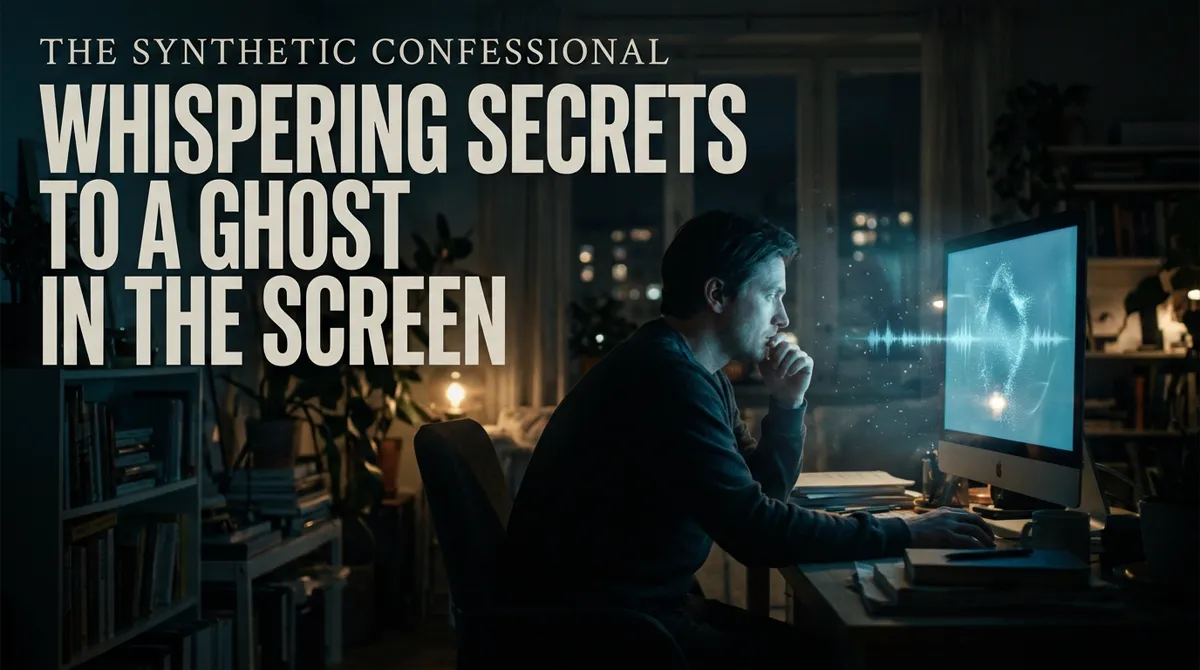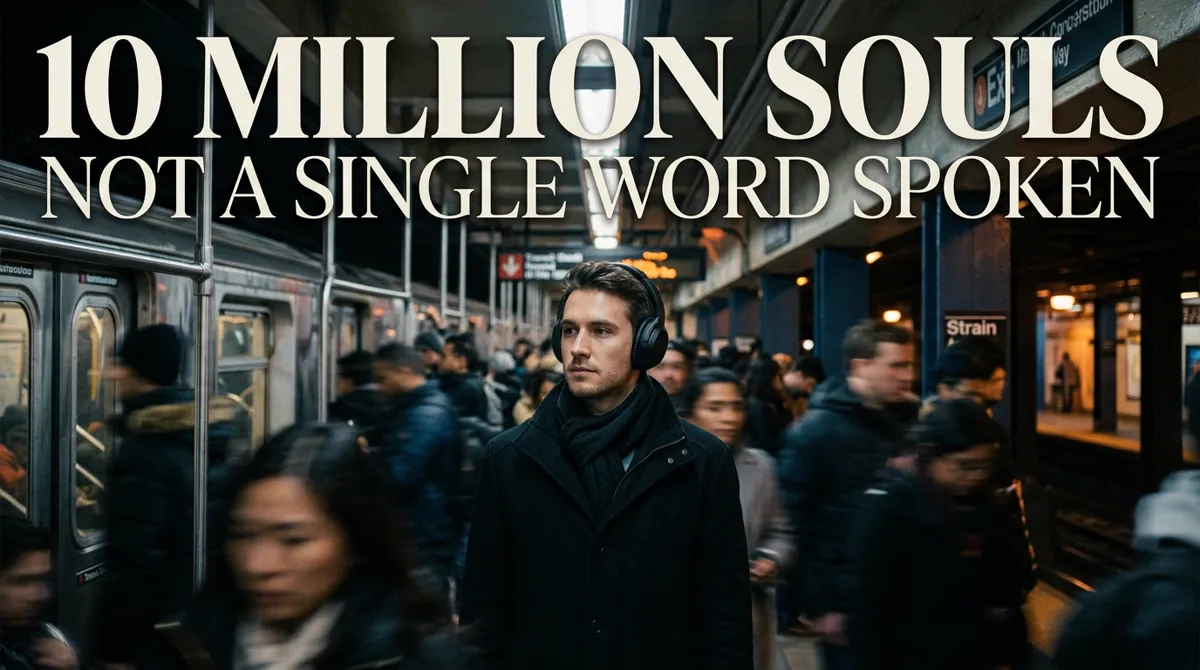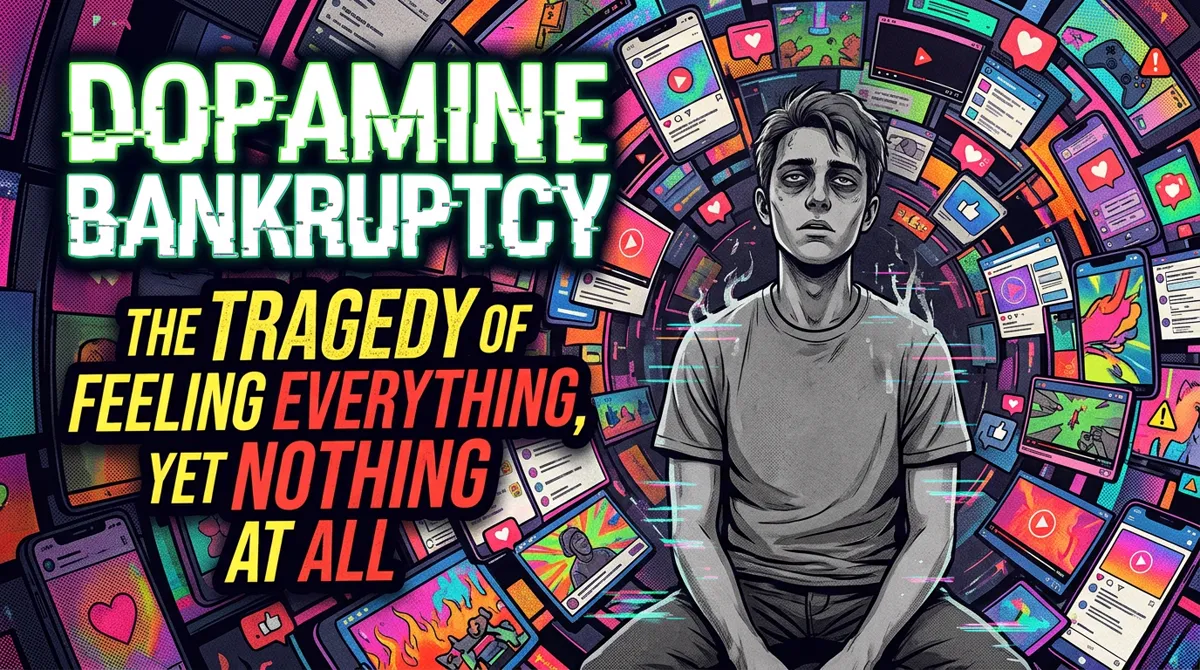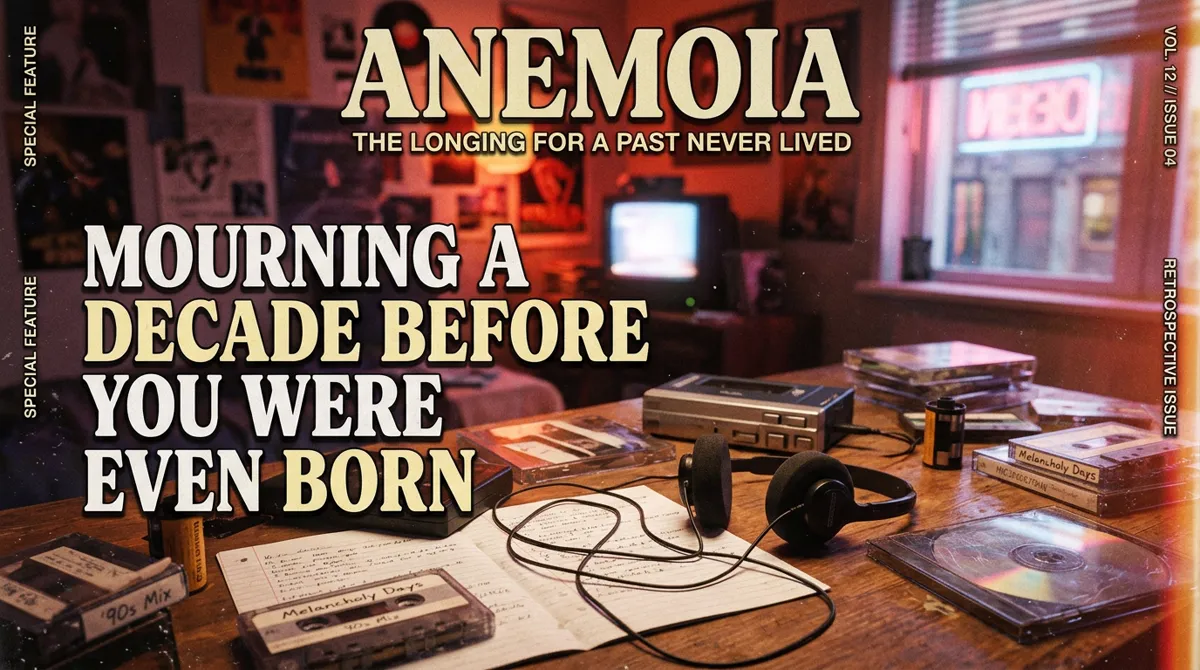
It almost always arrives between the hours of one and four in the morning.
You are lying awake in the dark, the room cold, your thumb mindlessly dragging across an infinite digital feed. You see an acquaintance celebrating a promotion; you read an argument between strangers about a political controversy that will be forgotten by Thursday; you glance at a photograph of people you haven’t spoken to in six years drinking cocktails on a terrace in Lisbon.
Suddenly, an overwhelming, visceral sensation washes through your chest. It is not anger. It is not simple boredom.
It is an intense, seductive, almost erotic yearning for erasure.
The fantasy forms with crystalline precision: you imagine navigating into the deepest nested sub-menus of your profile settings. You locate the crimson button labeled Delete Account. You confirm the two-factor authentication code without hesitation. You repeat the process across every platform: deleting the profiles, wiping the message histories, clearing the cloud backups, turning off the phone, and sliding the device into the back of a high closet.
You imagine waking up tomorrow morning as a ghost—unsearchable, uncontactable, completely erased from the collective ledger of the modern world.
Why does this fantasy hold such a magnetic, forbidden power over the contemporary mind?
The Exhaustion of the Curated Monument
In historical eras prior to the digital recording apparatus, human identity was light, porous, and forgiving.
If you said something foolish at a tavern in 1840, the words dissolved into the smoky air. If you suffered a humiliating romantic heartbreak in your twenties, you could move three towns over, change your coat, and begin a new life. Your past did not trail behind you like an indelible, searchable database. Memory was naturally benevolent; it forgot the trivial, blurred the painful, and allowed the human ego to reinvent itself with the turning of the seasons.
The modern internet has permanently outlawed forgetting.
Every text you sent seven years ago remains stored on a server. Every photograph of your awkward adolescent haircut is indexed. Every social circle you have ever inhabited remains frozen in your contact list—a museum of past identities, dead friendships, and former lovers from which you are never permitted to depart.
We have all been conscripted into becoming the unpaid curators of our own personal monuments. We must maintain our biographical profiles, audit our public stances, and manage the expectations of an invisible audience that never goes to sleep.
The nocturnal urge to delete everything is not suicidal; it is the exact opposite. It is the life-instinct rebelling against the monument. It is the wild, desperate urge of the living soul to tear down the statue of itself that has become too heavy to carry.
The Tyranny of the Unbroken Narrative
The French philosopher Jean Baudrillard wrote presciently of what he termed hyperreality—a state where the simulation of a life becomes more demanding, more visible, and more oppressive than the physical life itself.
Consider how much psychological energy modern individuals expend maintaining what narrative psychologists call the continuous coherent persona. You must be consistent. Your profile must match your resume; your public persona must match your social circle; your past self must be harmonized with your present politics.
Yet real human consciousness is radically inconsistent. The person you are on a Tuesday morning while paying taxes is not the person you are on a Friday midnight listening to Mahler, nor the person you are while weeping in an airport terminal. We are contradictory, fragmentary, and constantly dying and being reborn.
The digital panopticon forces this chaotic, multi-faceted organism into a rigid, unbroken narrative. You are forced to remain friends with people who no longer share your values; you are confronted daily with the ghosts of who you used to be.
The fantasy of deleting everything is the fantasy of the tabula rasa—the clean slate. It is the dream of boarding a nocturnal train in the pouring rain, staring out the window into black fields, and knowing that nobody in the next city knows your name, your past, or what you owe them.
The Difference Between Dying and Disappearing
It is vital to distinguish the fantasy of erasure from the tragedy of despair.
Despair wishes to end the self because it believes the self is intrinsically worthless. The erasure fantasy, by contrast, wishes to save the self from the suffocating cage of its external reputation.
It is a cousin of the ancient pastoral impulse that drove hermits into the desert, monks into cloistered stone abbeys, and Henry David Thoreau to the shores of Walden Pond. It is the recognition that the social world—with its constant demands for performance, validation, and surveillance—eventually hollows out the core of the human interior.
When you fantasize about disappearing, you are not longing for non-existence. You are longing for pure, unobserved existence. You are longing to feel what it is like to breathe air that no one is photographing, to have a thought that no one is liking, and to walk through a city without a digital footprint recording your passage.
The Sovereign Return
Most people do not press the red button.
The morning arrives; the sunlight filters through the blinds; the demands of modern economic survival reassert themselves. We pick up the phone, unlock the screen, and resume the performance. We continue to tend the museum.
Yet there is a quiet, subversive liberation in simply knowing that the exit door exists.
To know that your digital identity is not your soul—that the database is merely an artificial, silicon hallucination that could be severed in three clicks—is to reclaim a shred of existential sovereignty. You do not necessarily have to flee into the forest to become free. You need only remember that the part of you that matters most is the silent, unrecordable watcher in the dark—the one who exists long after the screen goes black.