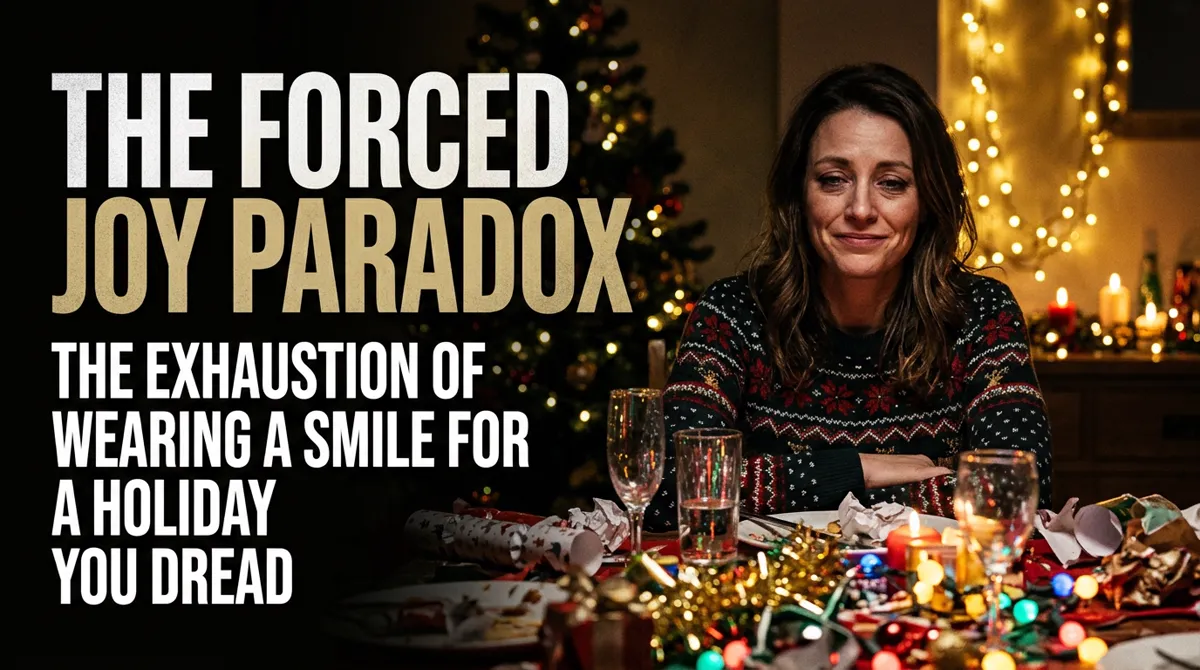
Beginning in early November, the cultural landscape undergoes a mandatory psychological annexation.
Supermarket speakers erupt into brassy, nostalgic carols; retail storefronts illuminate synthetic winter wonderlands; television advertisements depict impossibly harmonious multigenerational families laughing around glistening turkey platters. The message is relentless, universal, and non-negotiable: You must be joyous. You must connect. You must feel grateful.
Yet, for millions of human beings walking beneath those twinkling fairy lights, the prevailing emotional response is not warm cheer. It is a cold, sinking knot in the pit of the stomach—an acute, somatic dread that psychologists call the Contrast Effect.
The Cruelty of Compulsory Celebration
Why does forced merriment trigger such profound melancholy?
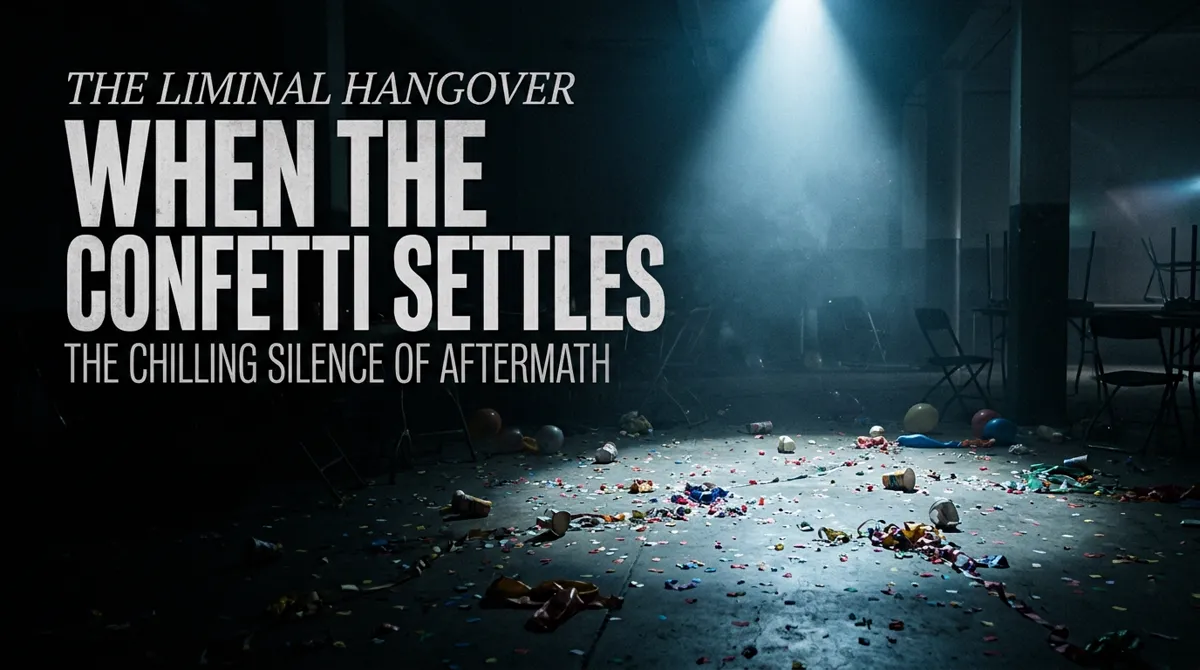
In perception psychology, human beings do not assess their reality in a vacuum; we evaluate our state through contrast. If you sit in an ordinary room with dim lighting, you barely notice your quiet sadness. But if you are dragged into a room flooded with spotlights, confetti, and people singing about eternal love, your quiet sadness is suddenly framed against a backdrop of manufactured ecstasy.
The holiday season acts as a cultural amplifier. Whatever is intact in your life looks brighter; whatever is broken, missing, or unresolved aches with ten times its normal intensity:
- If you are single, the holiday script screams that you are incomplete.
- If you have lost a parent, a spouse, or a friend, the empty chair at the table looks like a gaping black hole.
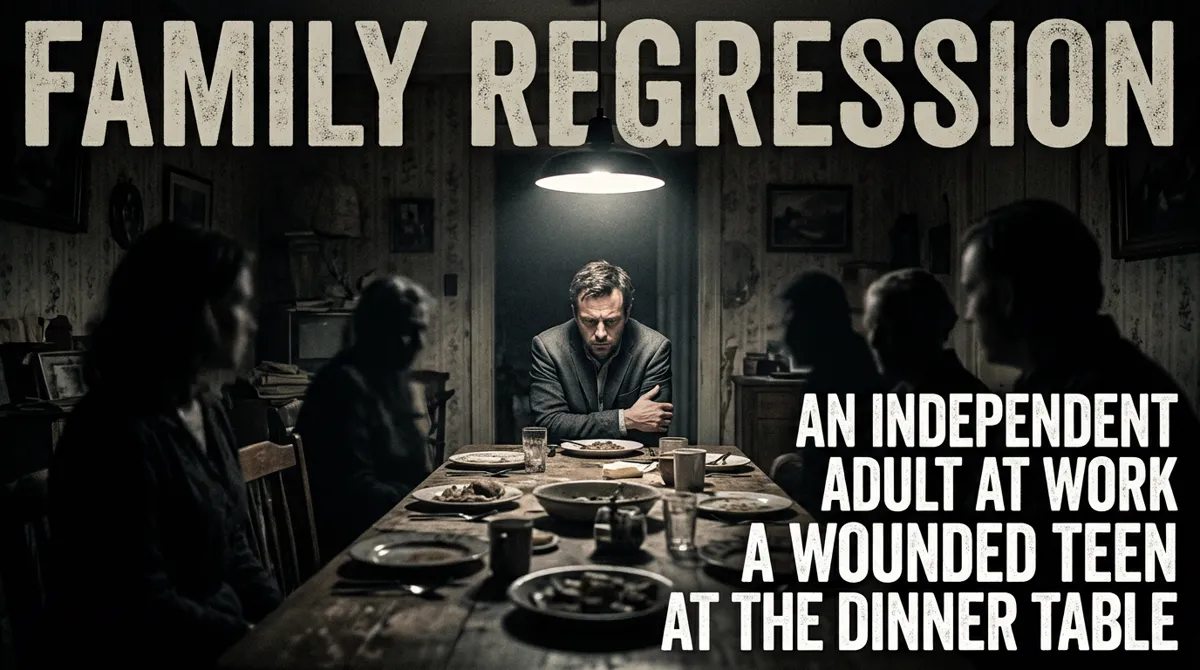
- If your family is abusive, distant, or estranged, the fiction of “happy family reunions” feels like an open mockery of your reality.
The cruelty of compulsory joy is that it criminalizes natural grief. It demands that you pack away your existential fatigue, paint a cheerful social mask across your face, and perform merriment so that you do not spoil the delicate illusion for everyone else.
The Interrogation of Innocuous Small Talk
For anyone spending the holiday season outside traditional domestic scripts, mundane social interactions become an exhausting minefield.
“What are you doing for Thanksgiving?"
"Heading home for the holidays?"
"Who are you celebrating with?”
These questions are rarely asked with malice, but they are loaded with toxic cultural assumptions. To answer truthfully—“I am staying alone in my apartment with my cat and a book” or “I am estranged from my family because their presence destroys my mental health”—is to trigger an awkward social crisis.
The inquisitor freezes. A look of patronizing pity washes across their face, followed by frantic, unwanted rescue attempts: “Oh no! You can’t be alone! Come to my aunt’s house!”
To avoid the humiliation of being pitied, people lie. They invent elaborate holiday plans, or worse, they force themselves onto airplanes and return to toxic dinner tables simply to avoid the social stigma of celebrating in quiet solitude.
The Commercialization of Belonging
We must remember what the holiday industry actually is: a multibillion-dollar corporate machinery engineered to monetize human longing.
Capitalism cannot sell products to an emotionally fulfilled, self-contained community. It must first manufacture a feeling of acute insufficiency—the belief that without the right perfume, the right sweater, the right gift pile, and the right holiday spread, you have failed at basic human connection.
We are fed a cinematic script written by advertising agencies: the warm kitchen, the snow falling outside the picture window, the tearful reconciliation on the porch. When our real lives fail to match this Hollywood hallucination—when our turkey is dry, our siblings are politically polarized, our bank accounts are strained, and our hearts are weary—we assume that we are broken, rather than realizing that the script was a commercial fantasy designed to sell goods.
The Grace of Quiet Solitude
What would happen if we gave ourselves permission to step entirely outside the holiday theater?
You do not owe the world a festive performance. You do not owe anyone a forced smile, an expensive gift bought with money you don’t have, or an emotional sacrifice on the altar of dysfunctional family tradition.
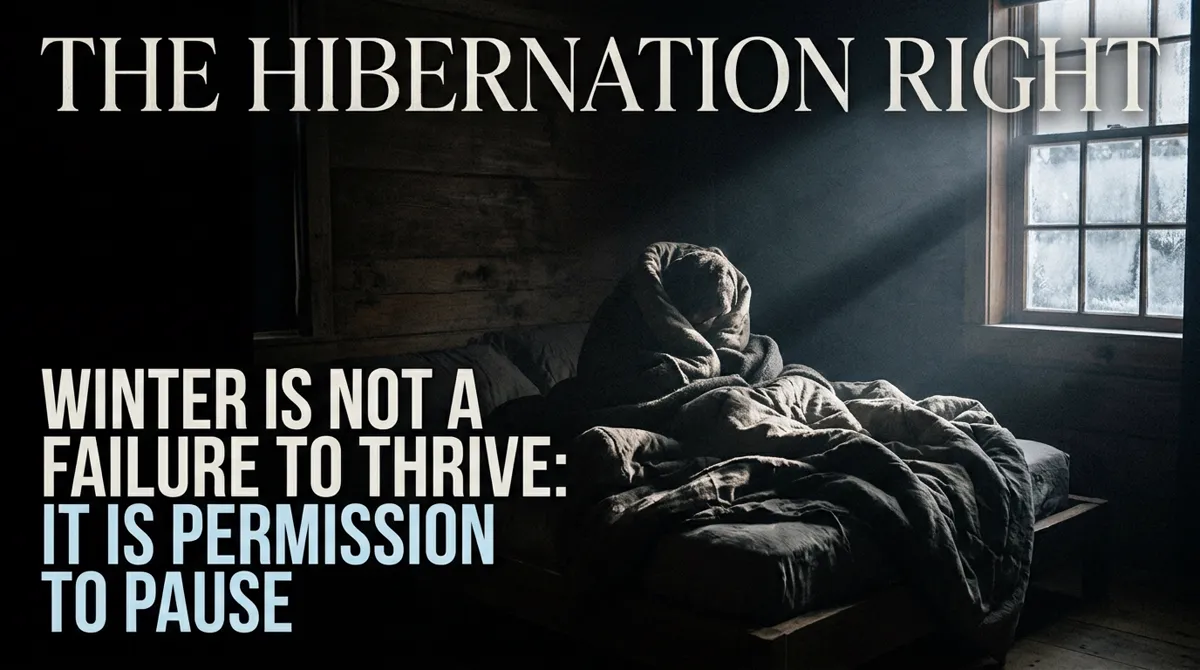
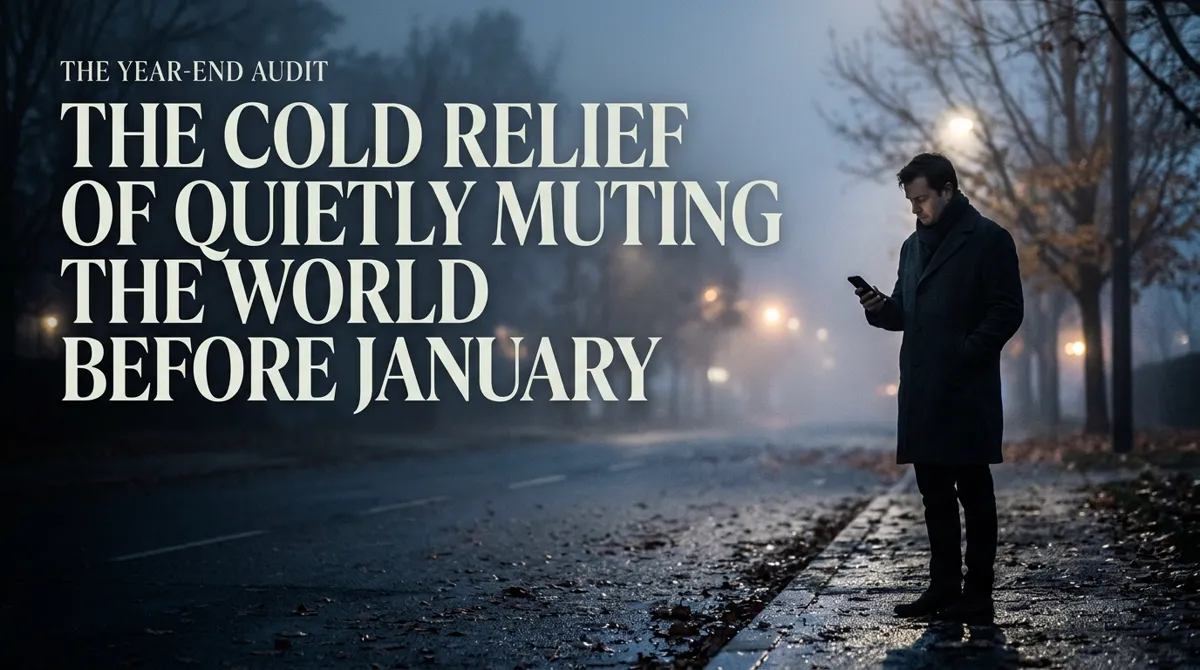
If your heart is weary this season, treat the upcoming holidays not as an examination you must pass, but as a neutral, unscripted pause in the calendar. Sleep in. Cook something humble. Walk through the empty city streets when everyone else is trapped in awkward family arguments, and feel the rare, sublime peace of existing without performing.
True sanctuary is found not in compulsory celebration, but in the radical courage to honor the season your soul is actually inhabiting.