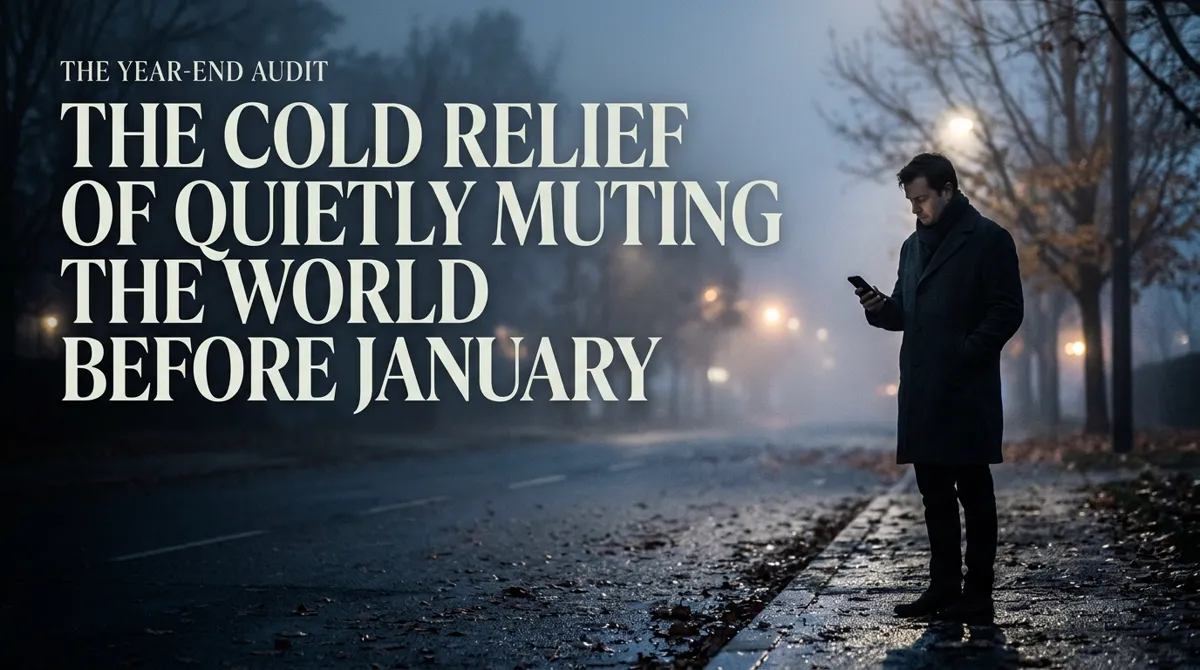
It begins silently, somewhere between the falling leaves of late October and the dark evenings of November.
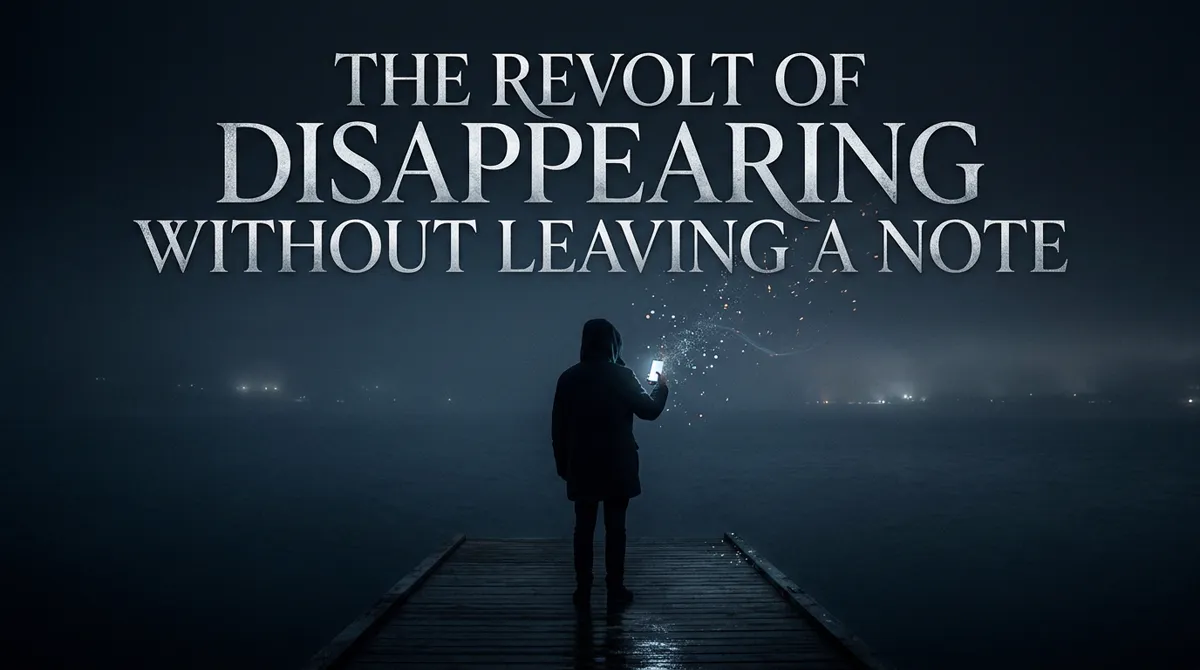
You open your messaging app, stare at a group chat that has drained your vitality for months, tap the settings menu, and quietly toggle: “Mute notifications forever.”
You leave an unread message from an acquaintance sitting on your screen for four days, feeling zero urge to compose a polite excuse. You decline holiday invitations with uncharacteristic bluntness. You quietly unfollow social media accounts that evoke a low-grade ache of comparison.
This is the Year-End Social Audit—a subconscious, ruthless emotional triage that human beings perform as the calendar approaches its terminus. While spring is celebrated as the season of blossoming connection, late autumn is the unacknowledged season of the scalpel: the time when we quietly sever ties that we no longer have the metabolic luxury to carry into another year.
The Exhaustion of the Social Ledger
Why does relationship pruning peak in late autumn?
Throughout the spring and summer, when days are long and physical energy is abundant, the human psyche can afford a degree of relational bloat. We indulge draining friendships; we maintain superficial networking ties; we laugh along with acquaintances whose values we quietly despise. Our emotional bank account has enough ambient sunlight and dopamine to subsidize one-sided dynamics.
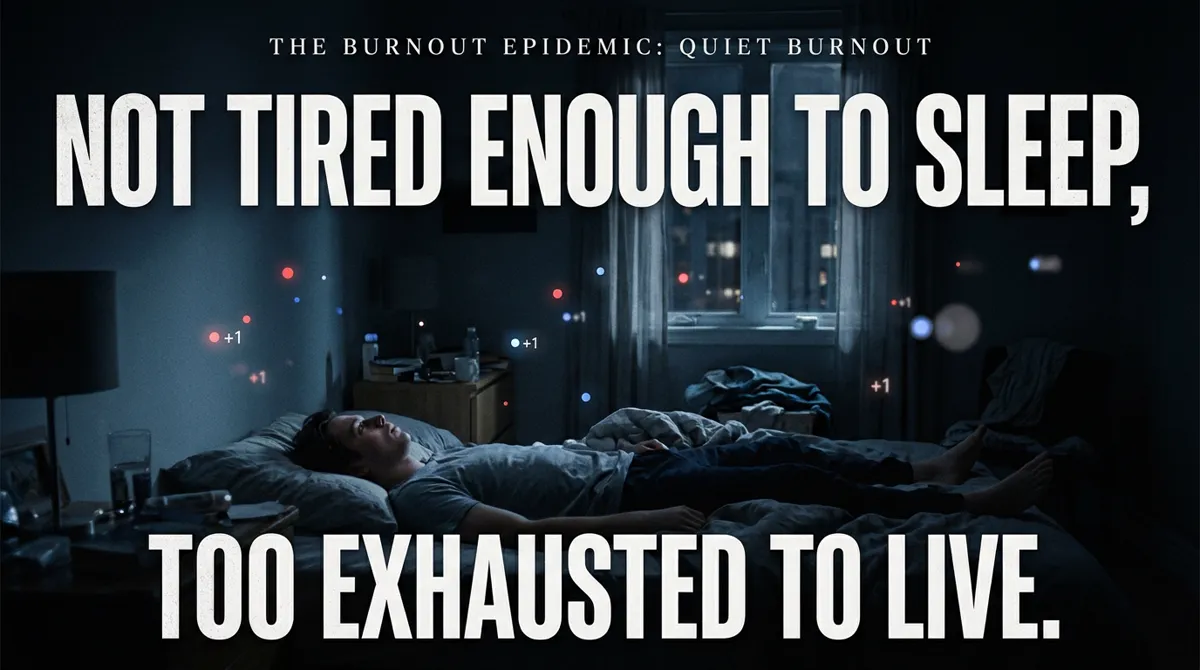
But by November, our metabolic reserves are depleted. The days are cold, darkness claims the afternoon, and the cognitive demands of closing out the year are mounting.
In this state of energetic austerity, every relationship is involuntarily audited:
- Does being around this person recharge me, or do they treat my attention as an emotional dump site?
- Do we have a mutual bond, or am I merely a captive audience for their unexamined monologue?
- When their name flashes on my screen, does my chest tighten or does my breath soften?
When the answers to these questions are negative, the patience that sustained the relationship for ten months evaporates in an instant.
The Threshold Effect: Refusing to Carry the Weight
Human beings are intensely sensitive to symbolic thresholds. The transition from one calendar year to the next is not merely a change of dates; psychologically, it is framed as a portal of rebirth.
Subconsciously, we view January 1st as a fresh ledger. And just as travelers instinctively shed unnecessary baggage before boarding a long-haul flight, our psyche rebels against the thought of hauling dead relational weight across that threshold.
There is a visceral revulsion to the thought: Do I really want to be dealing with this person’s drama in 2027? Do I want another year of forced polite lunches, passive-aggressive comments, and unreciprocated effort?
The answer is often a cold, definitive No.
The Gentle Fade vs. The Dramatic Severance
Notice that the Year-End Audit rarely looks like a dramatic, cinematic confrontation. There are few screaming arguments or formal friendship breakups.
Instead, it takes the form of the Gentle Fade:
- Messages are answered with polite, terminal brevity.
- Offers to “catch up before the new year” are met with vague non-committal pleasantries.
- The energetic investment simply ceases.
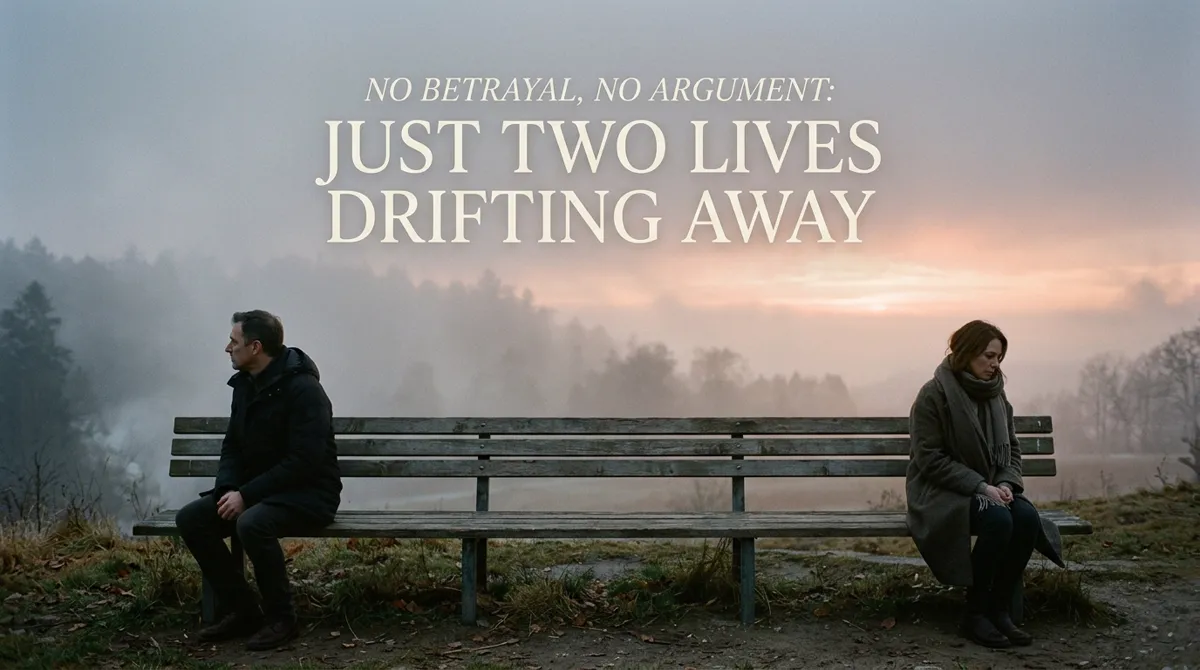
This silence is not necessarily malice or cowardice; it is often the natural entropy of human connections that have reached their expiration date. Most friendships in adulthood do not end because of betrayal; they die because one party simply stops performing the artificial CPR required to keep a lifeless dynamic breathing.
The Sacred Art of Pruning
In viticulture, a master vintner does not leave grapevines to grow wildly in every direction. When winter arrives, they take sharp shears and brutally cut back sixty to eighty percent of the vine’s living wood. To an untrained observer, it looks like vandalism; it looks like cruelty.
Yet the vintner knows the immutable law of growth: If you do not prune the weak, sprawling branches during the cold months, the vine will exhaust its sap in the spring, producing bitter, sickly fruit.
The relationships you quietly allow to dissolve in November and December are the branches that were consuming your vital sap without offering any nourishment in return. Let them go without guilt.
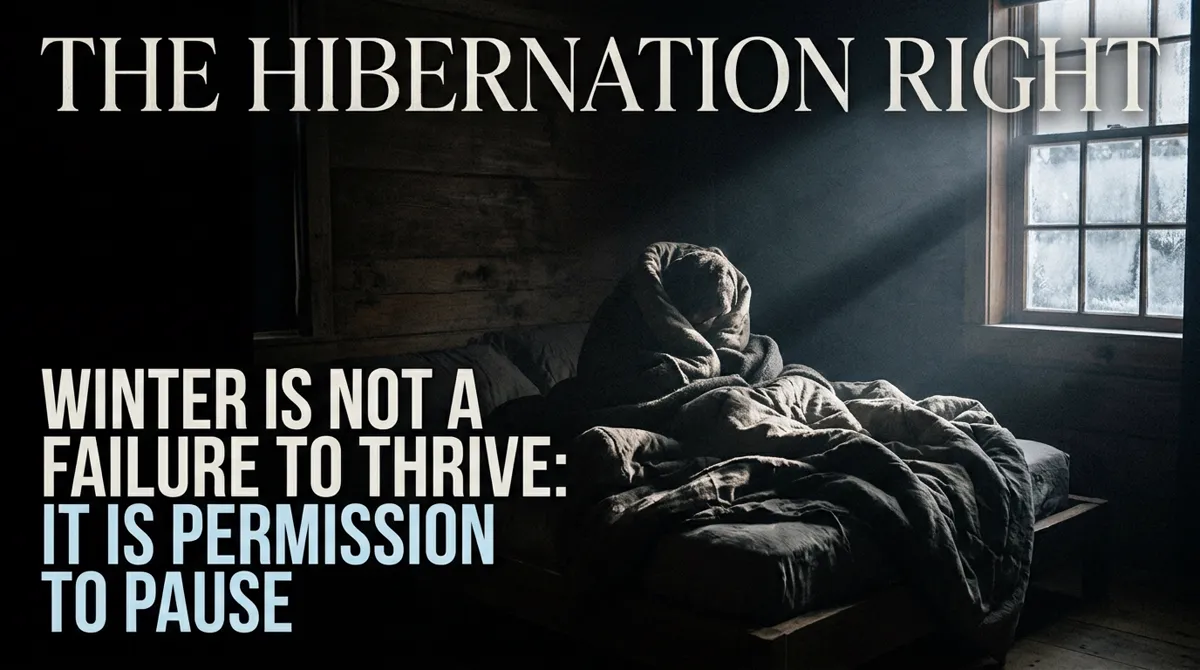
The people who belong in your life across the threshold of 2027 are not the ones who demand your performative compliance; they are the few who can sit beside you in the quiet darkness of winter without asking you to be anyone other than who you are.